Asphalt & 2-Coat Seal Services Based in Brisbane – Servicing SE QLD and Beyond
Local Family-Owned & Operated Business
Over 40 Years Of Industry Experience
Providing Superior Concreting & Asphalt Services Since 1985
QBCC Licensed Contractor – Licence No. 15028368
Housing Industry Association - HIA 1175547
Providing Practical Asphalt and 2-Coat Seal Solutions
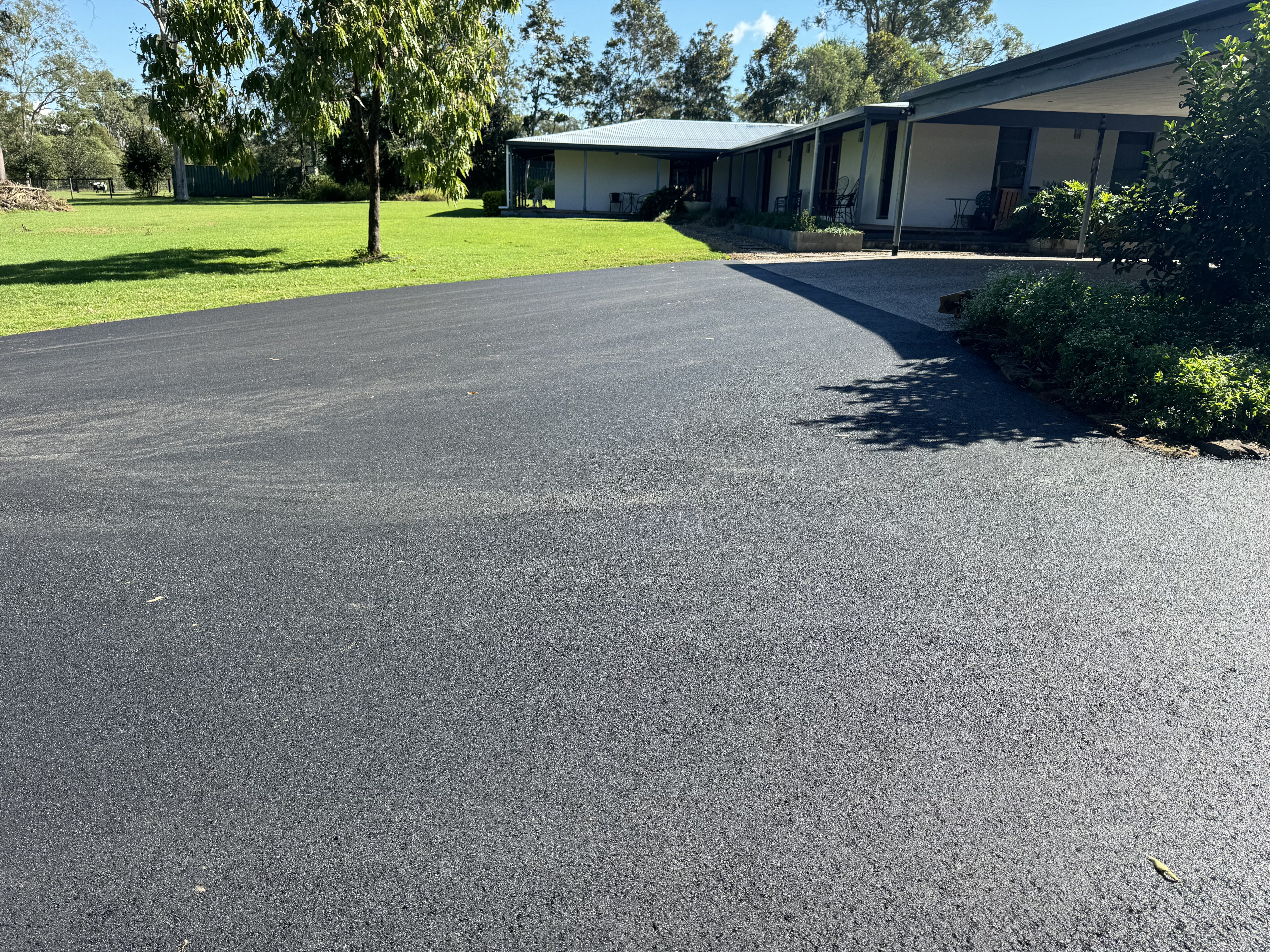
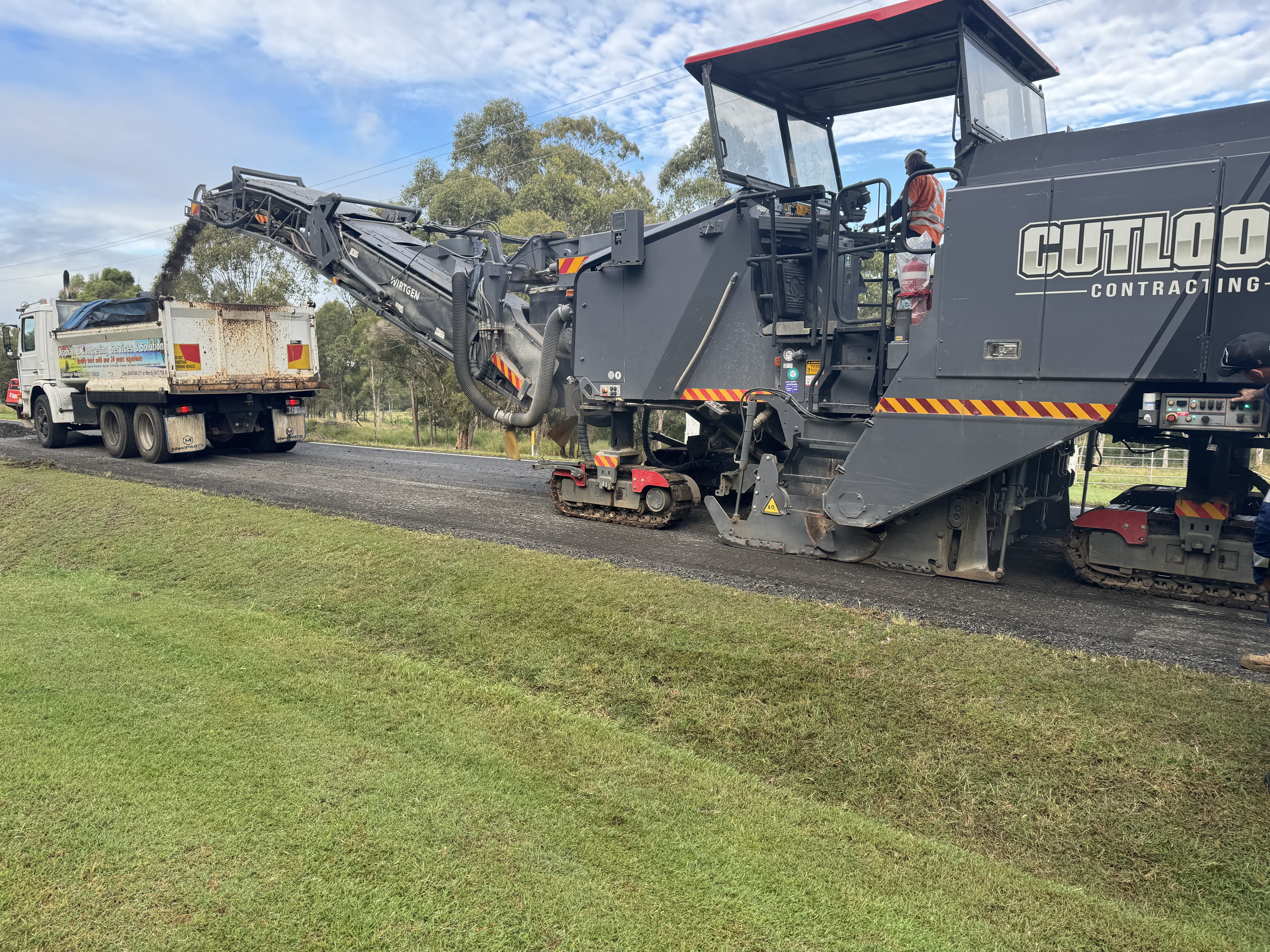
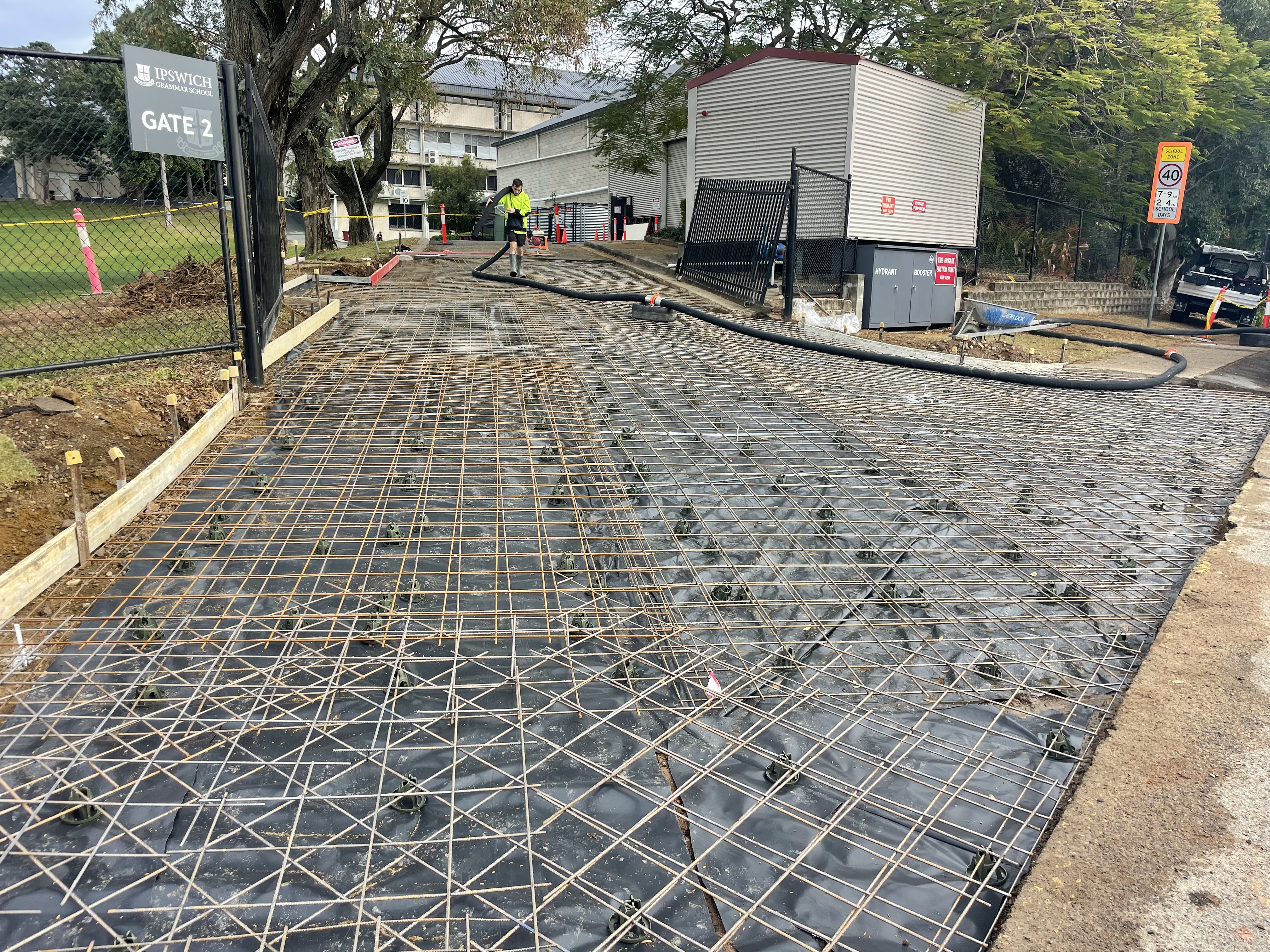
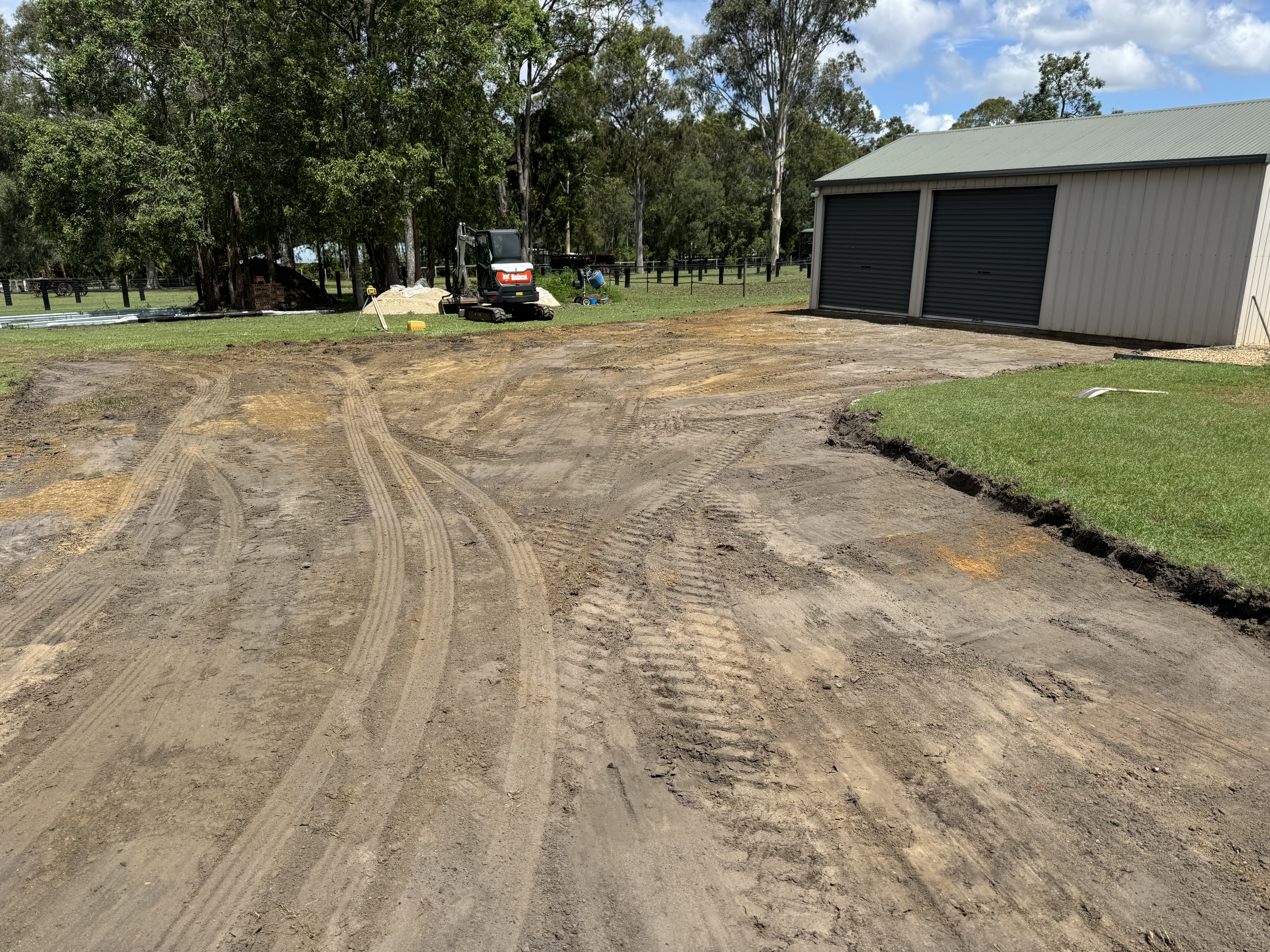
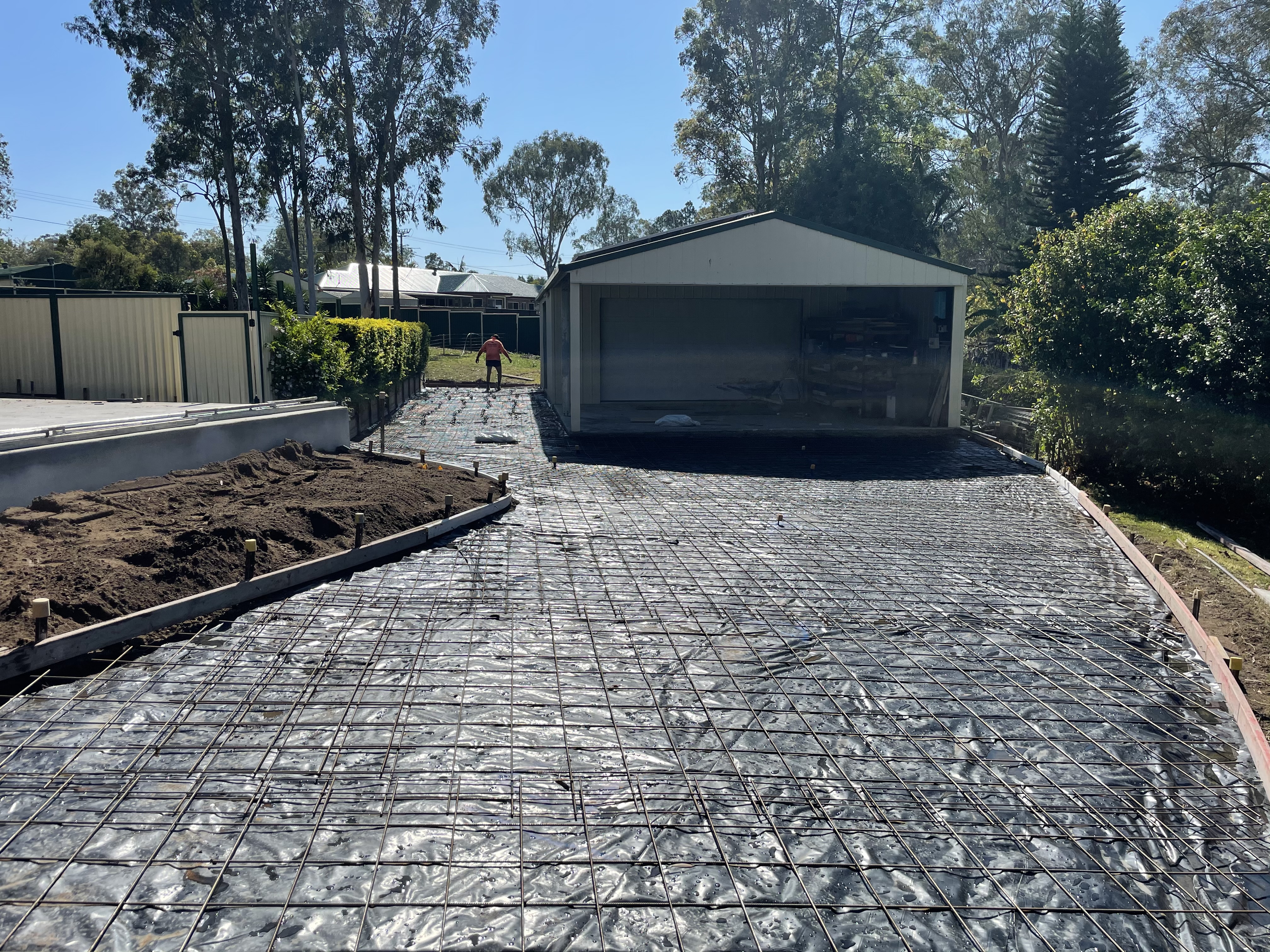
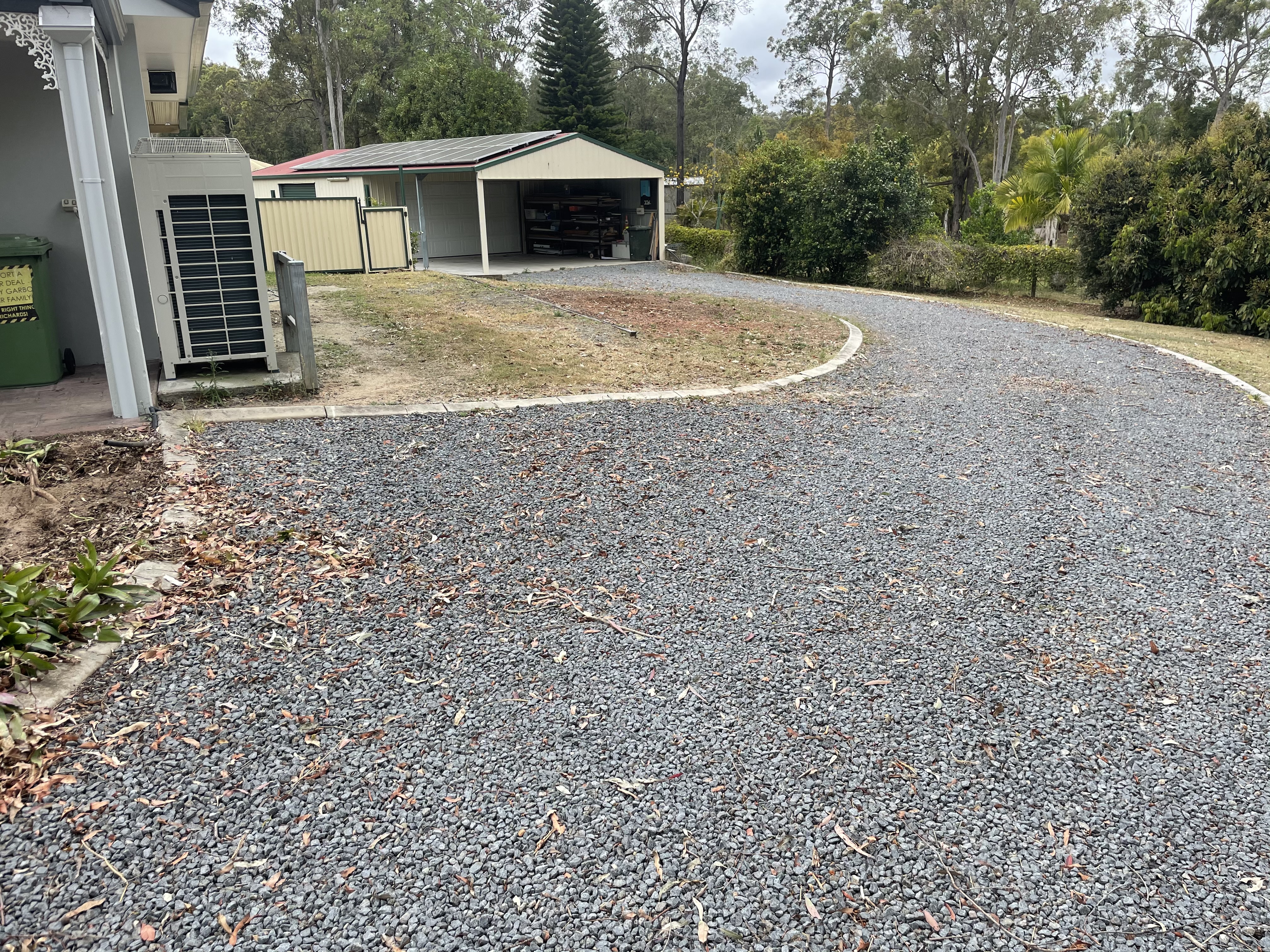
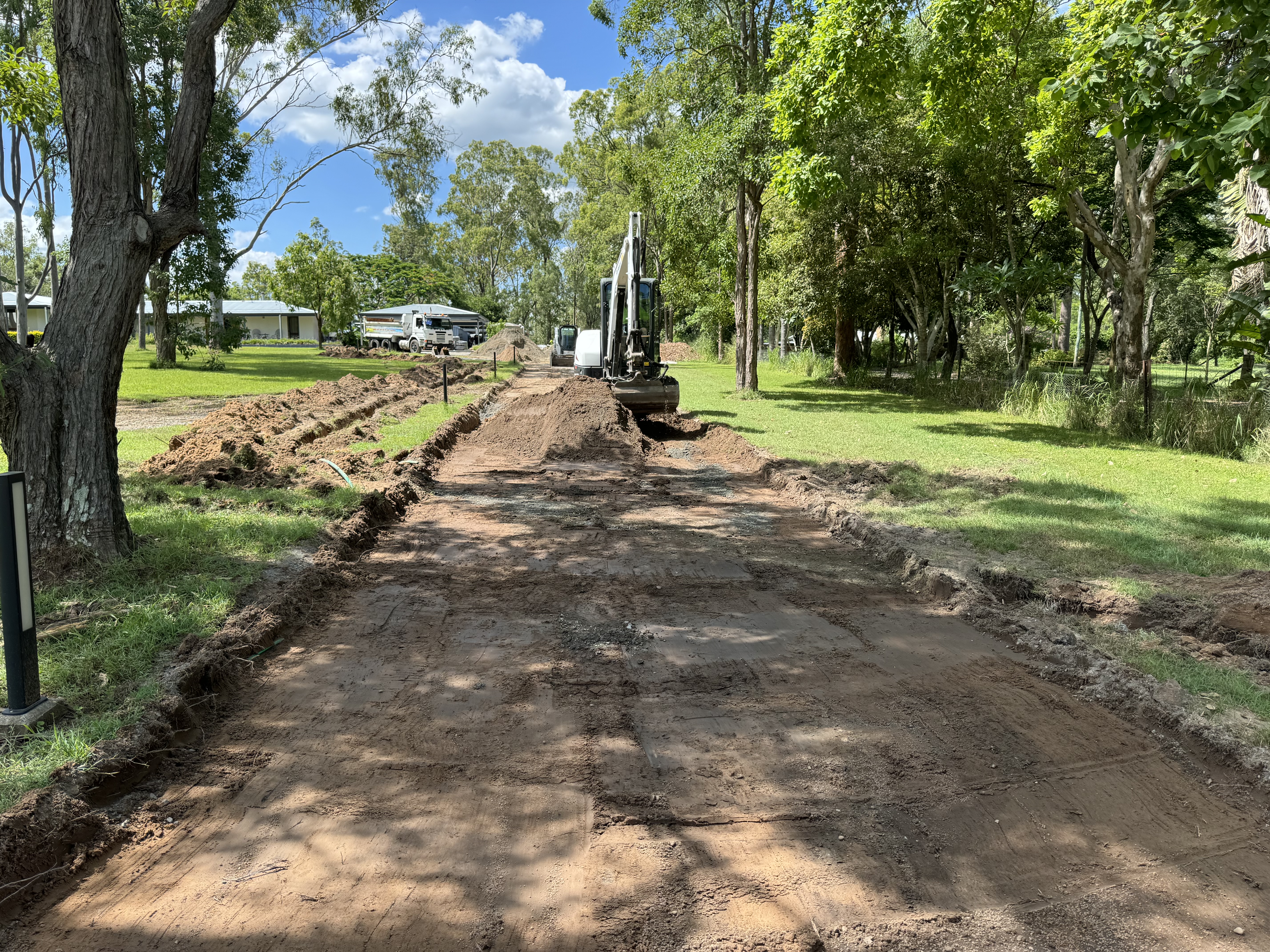
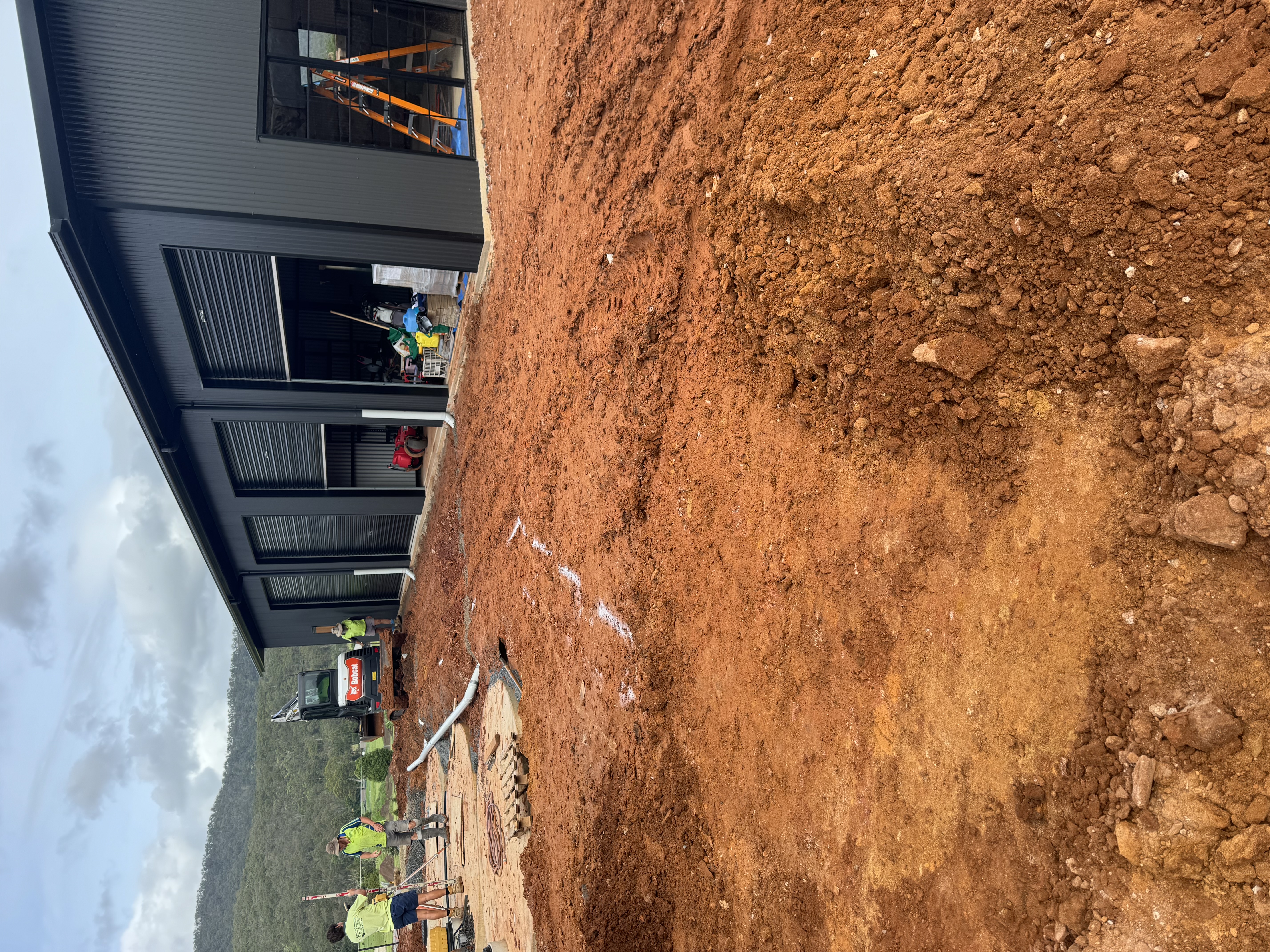
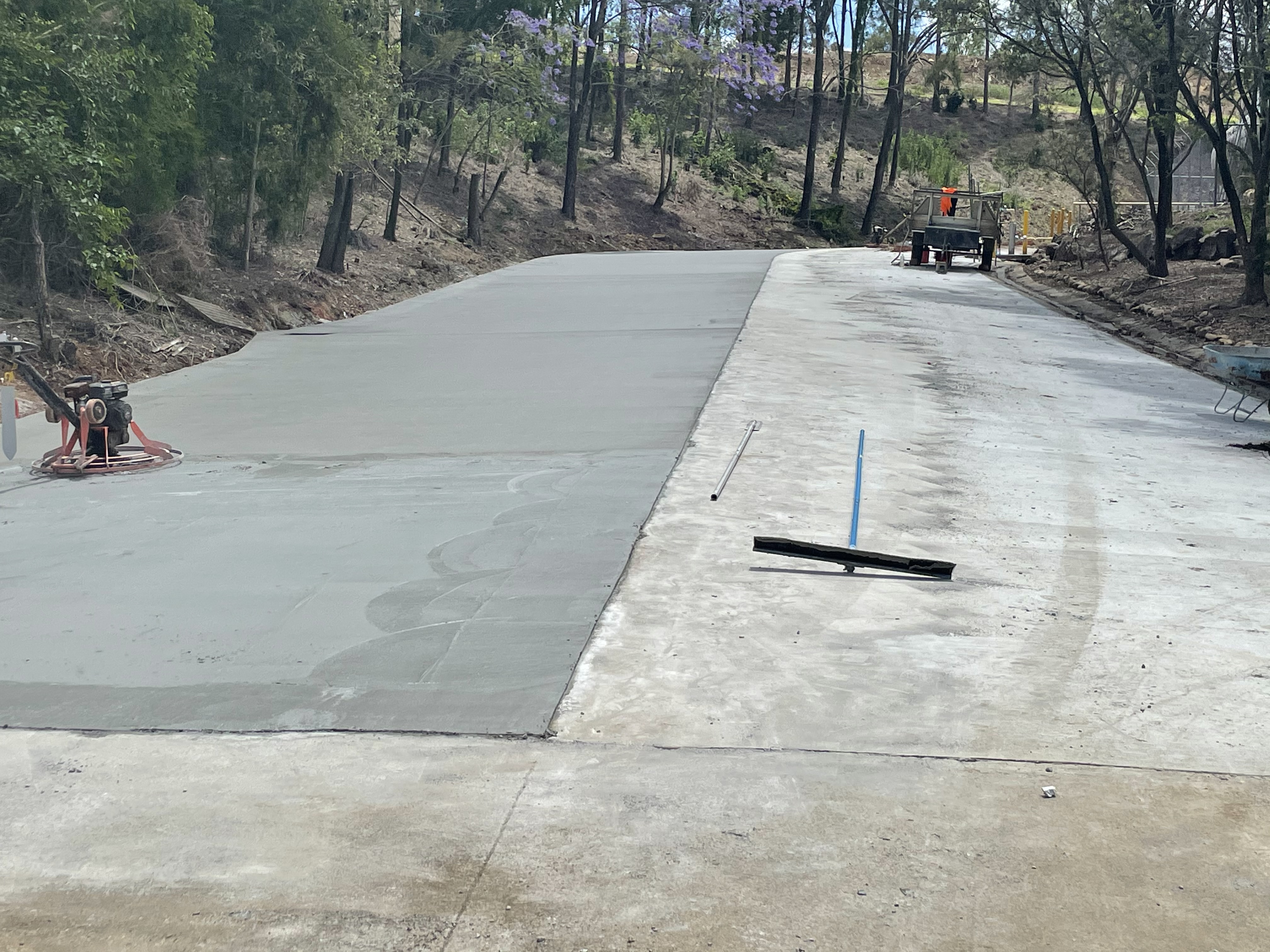
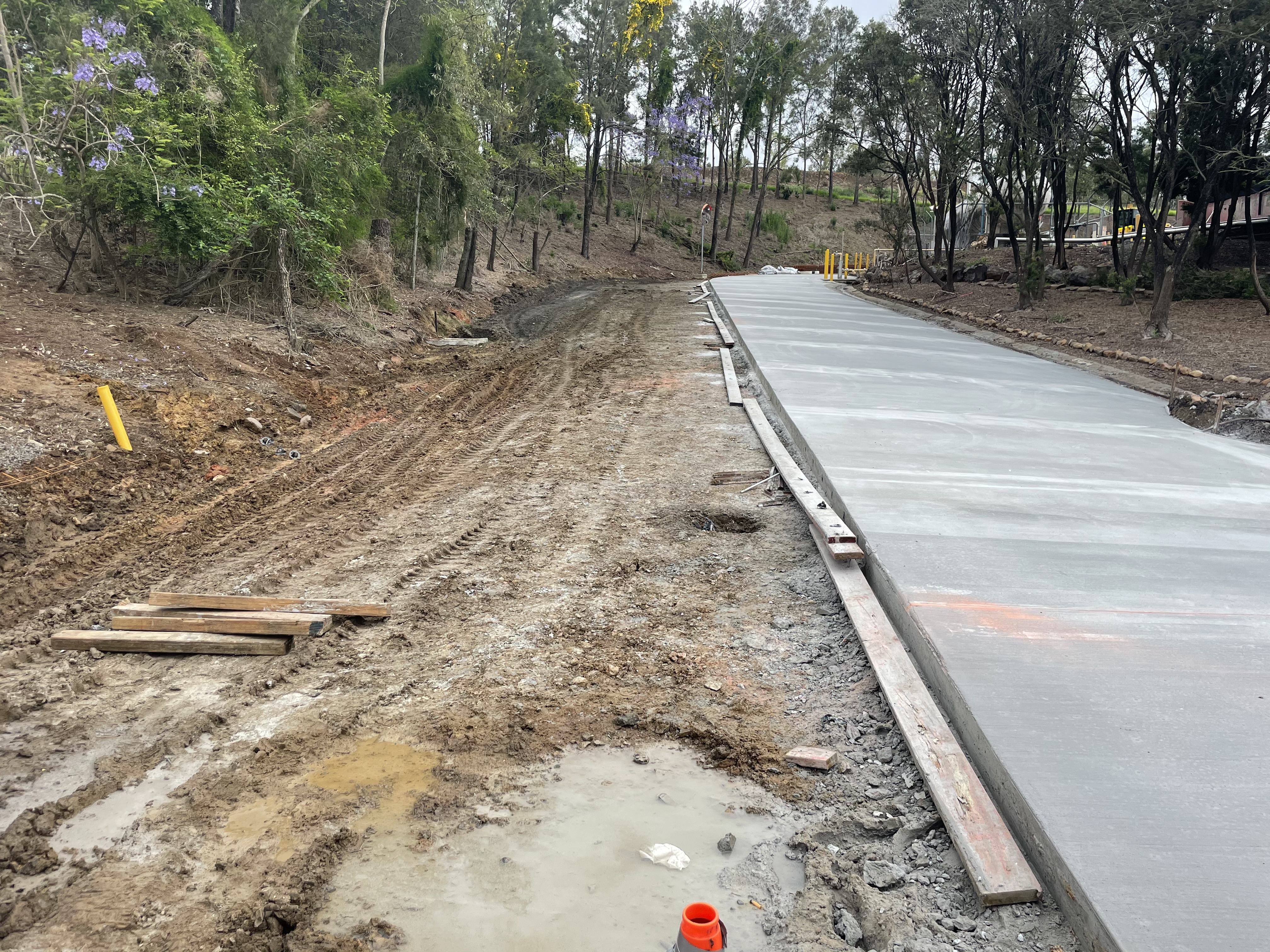
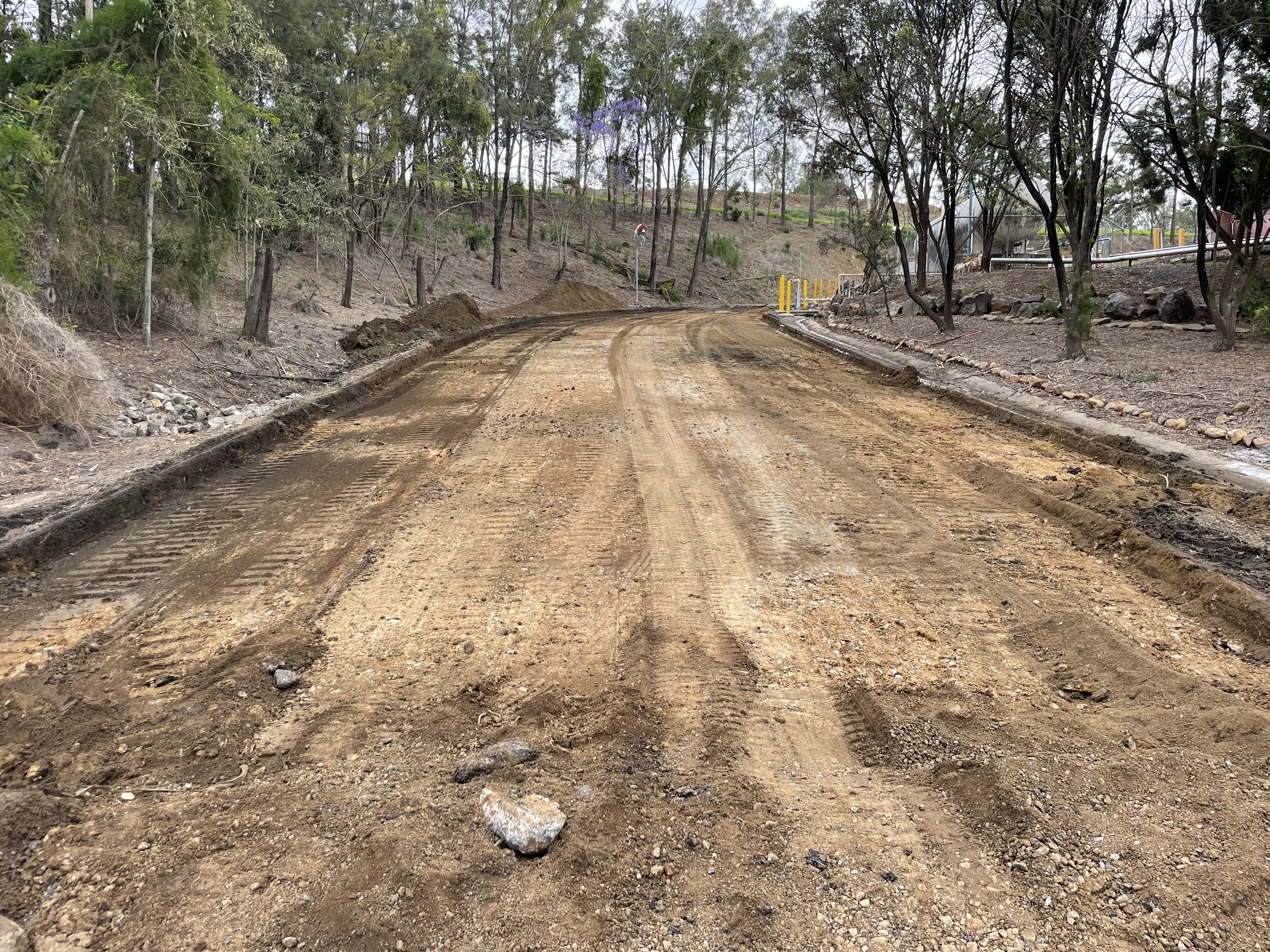
At Asphalt & Concreting Services & Solutions, we provide high-quality asphalt services for homeowners, businesses, civil sites, and government projects—no matter the location. We understand the biggest concern with asphalt isn’t how it looks on day one, but how well it performs over time. That’s why we focus on the groundwork first, ensuring the base, drainage, and levels are properly prepared before any asphalt is machine laid.
Here’s what people often want to know before starting an asphalt job:
- A well-prepared base plays a bigger role in longevity than the top layer
- The mix, thickness & curing time all influence how the surface performs
Our team brings decades of experience to every site, pairing practical know-how with reliable equipment and a steady, methodical approach. We work cleanly, communicate clearly and keep the job moving so the surface is ready when you need it. If you’d like to talk through your plans or book a quote, give our team a call on 0434 044 211.


Driveways, Roads,Car Parks & More
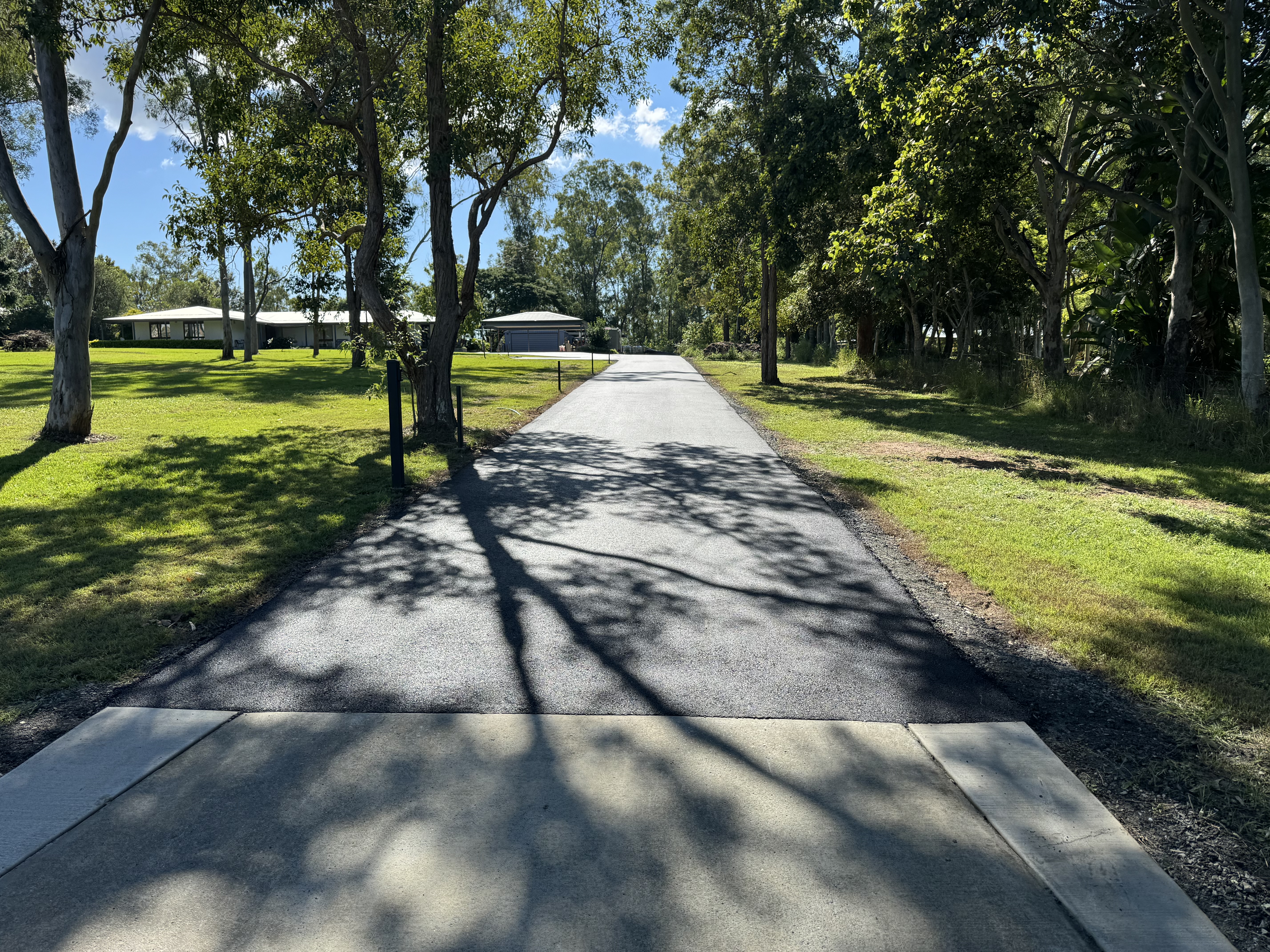
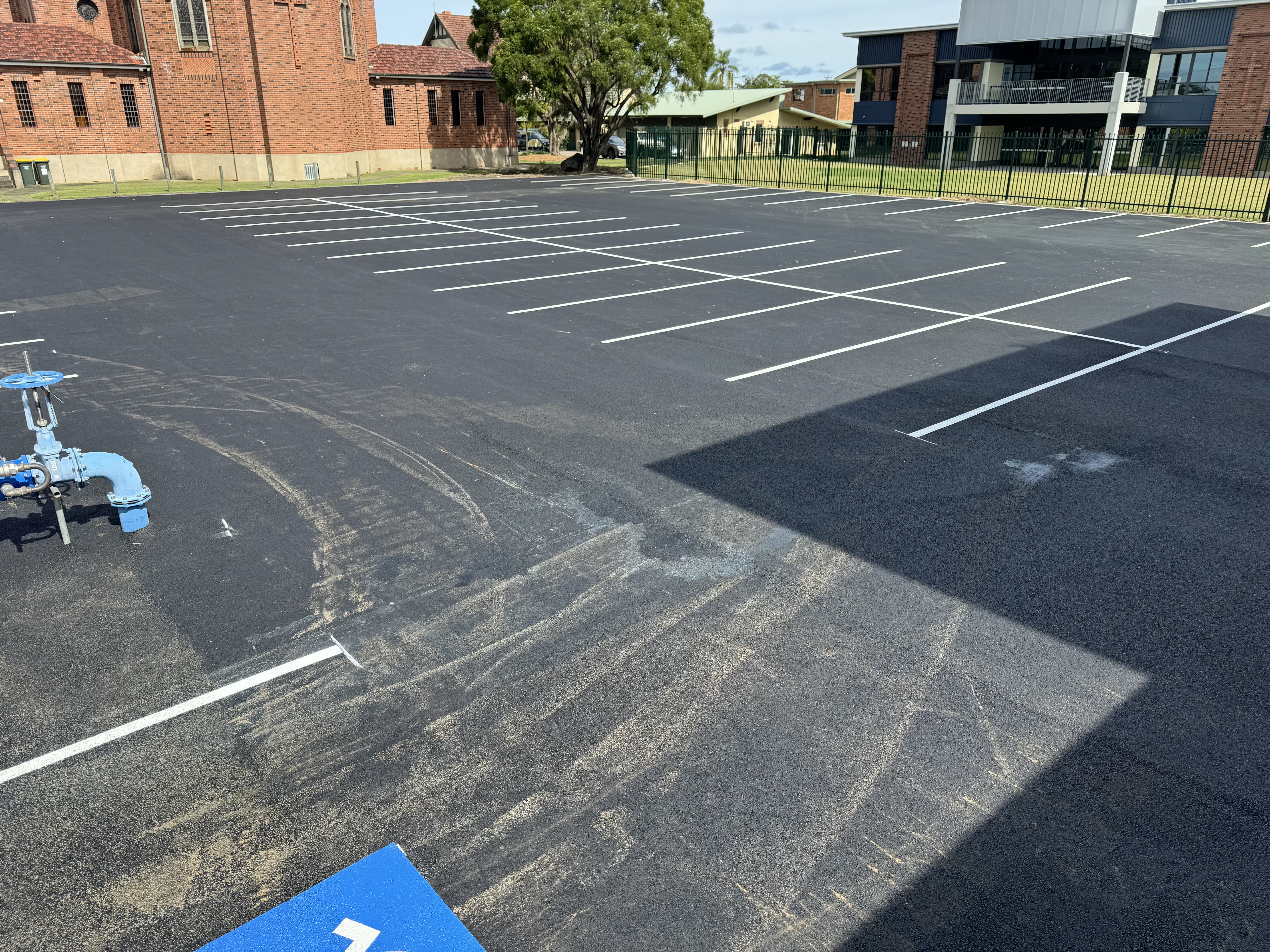
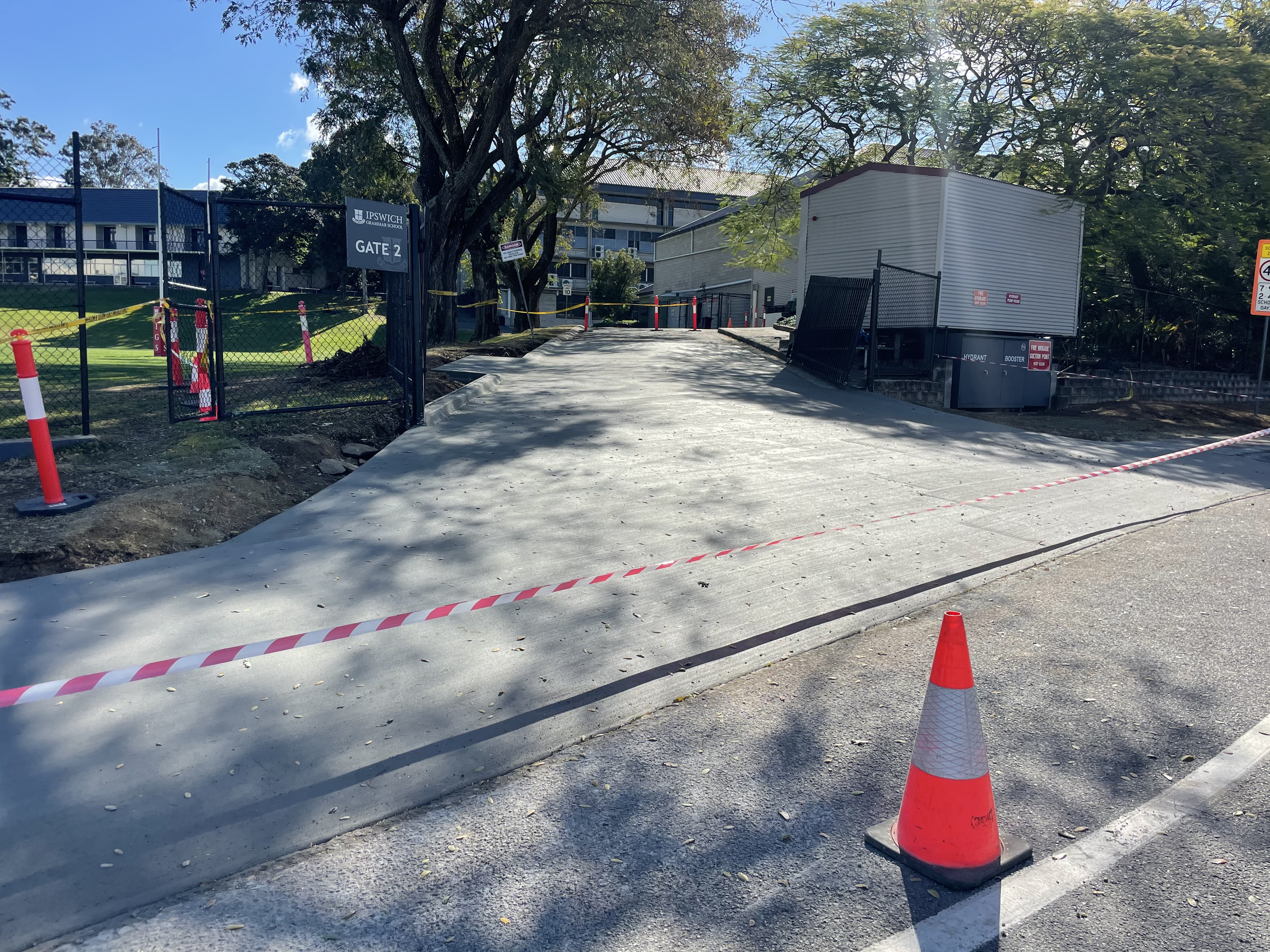
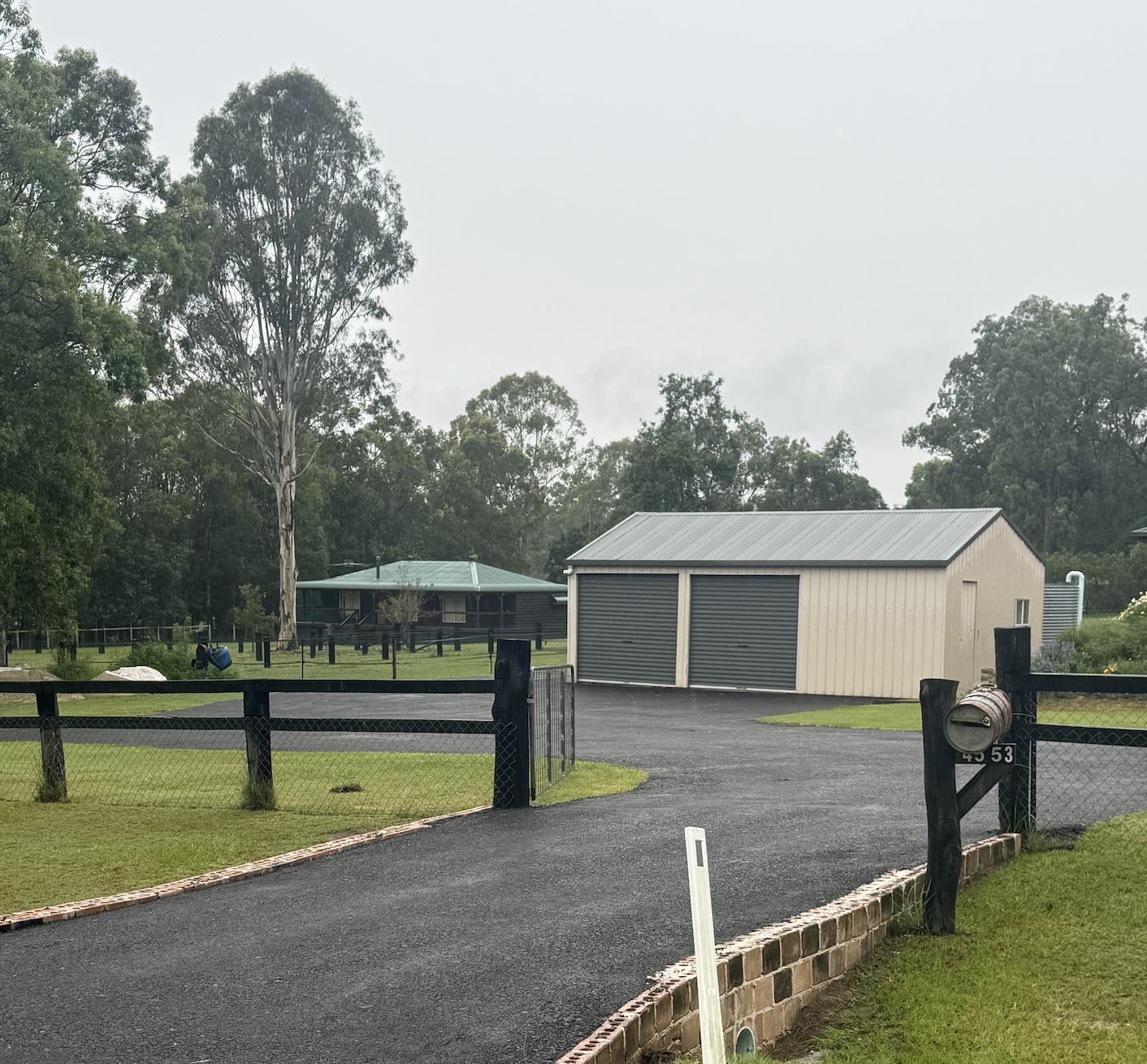
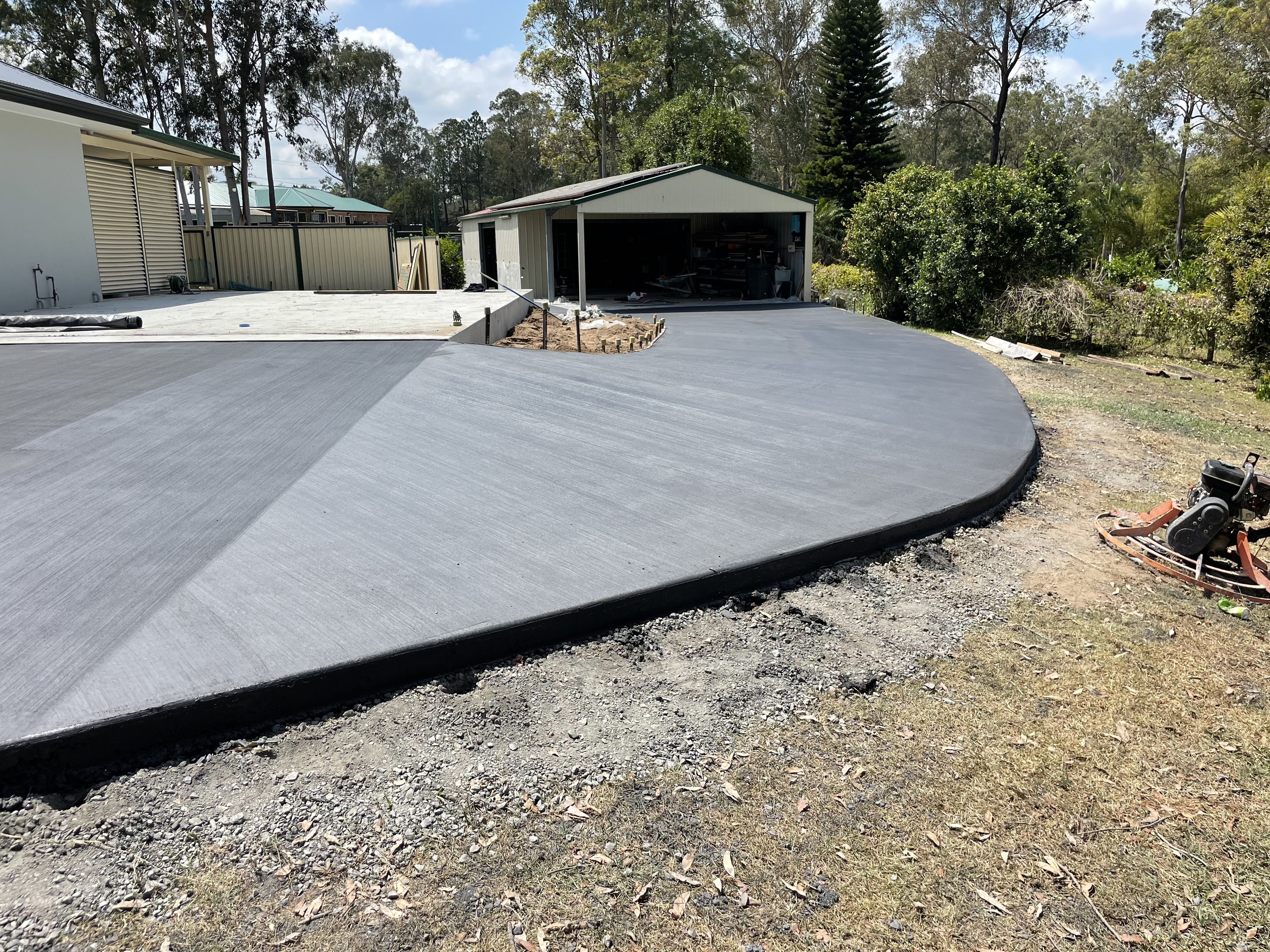
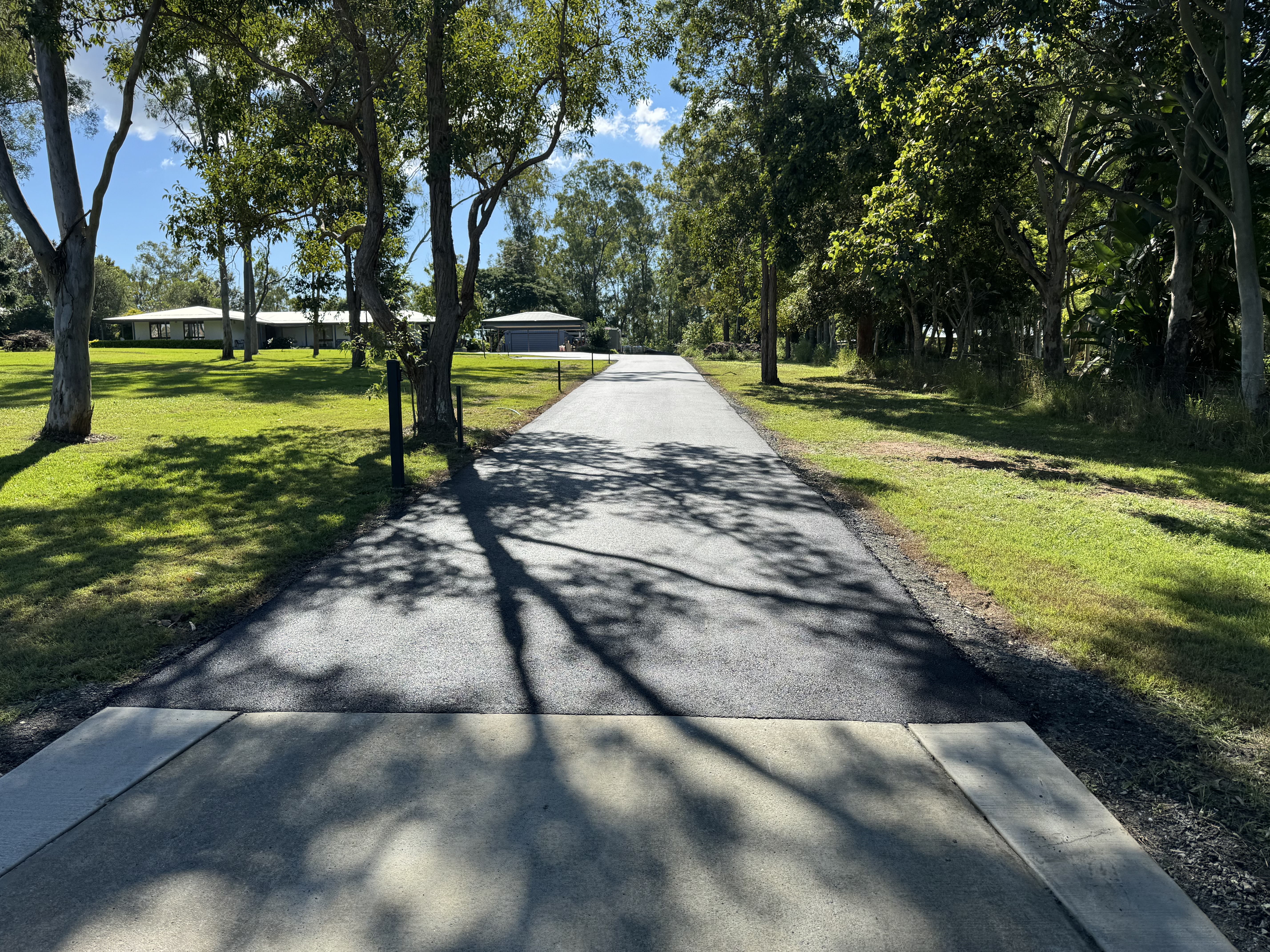
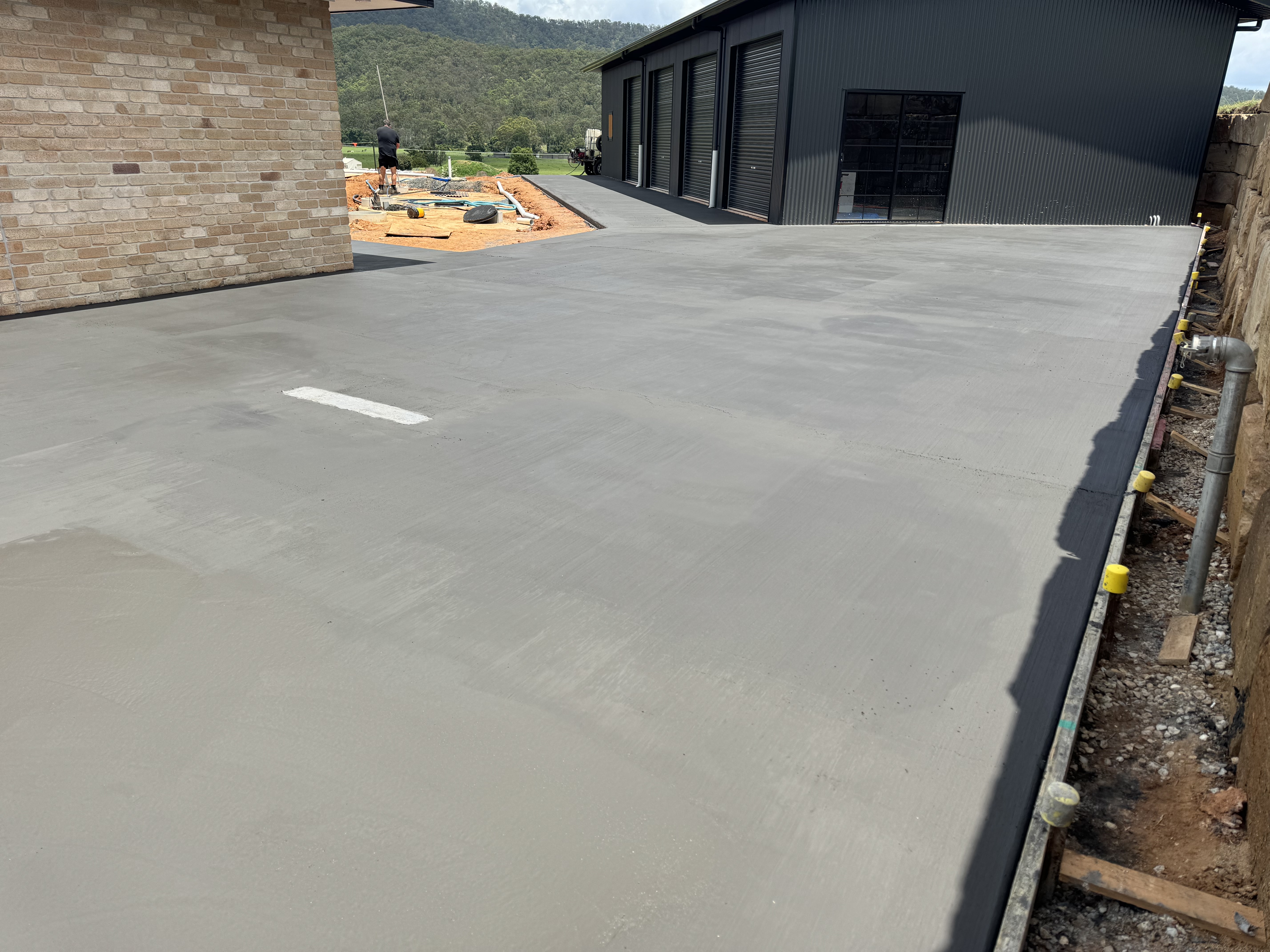
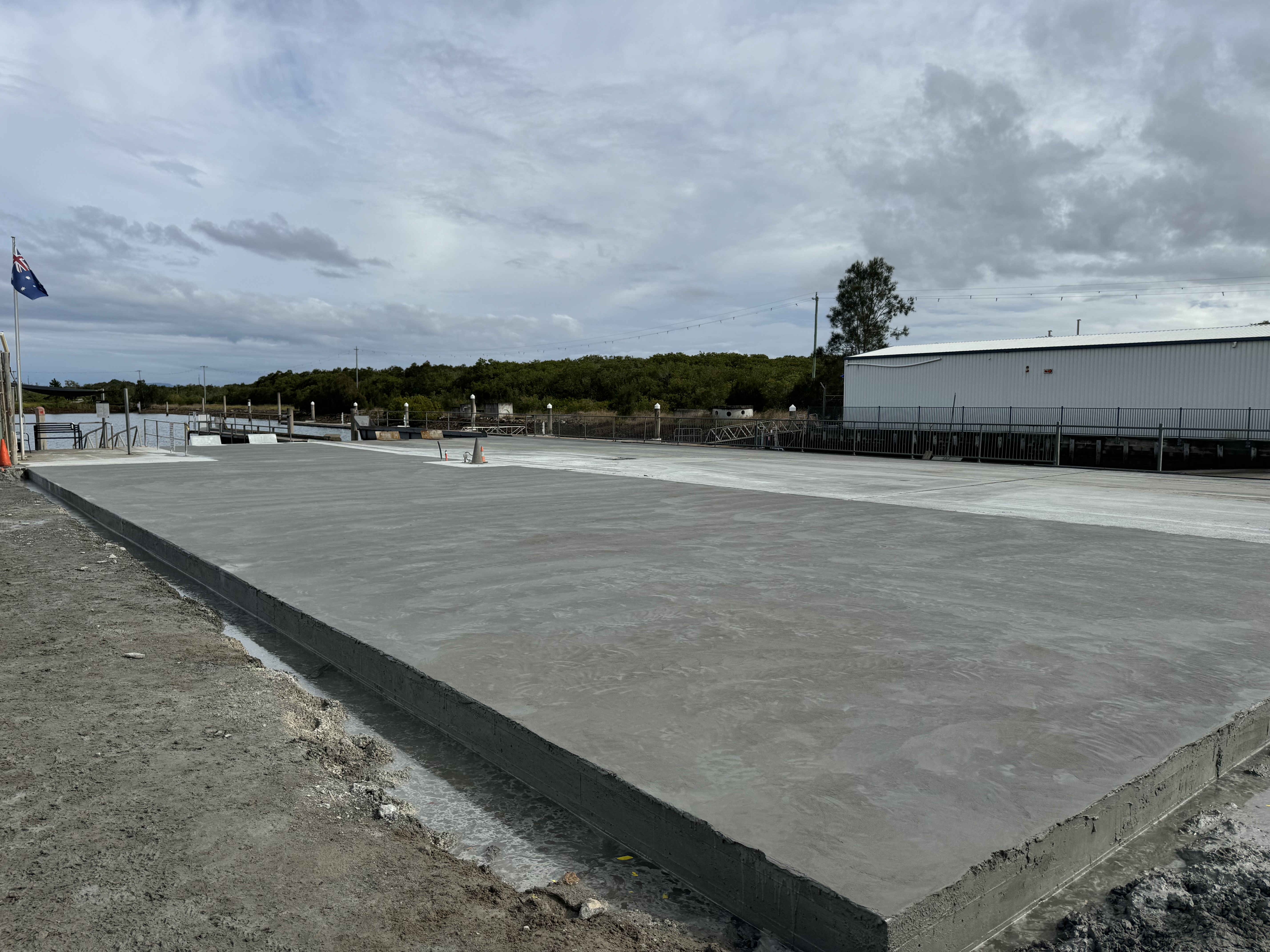
Asphalt is a flexible, durable surface suited to driveways, car parks, access roads and civil works such as roads and pathways. We manage the full process—from initial assessment and ground preparation through to compaction and final finish. You can rely on us to select the right materials, manage site conditions, and deliver a surface built to last.
Every job is approached with a clear plan and the right equipment, ensuring the work aligns with both your requirements and the conditions on site. Whether it’s a residential driveway or a high-traffic area, we tailor the method to suit the job.
If you’re ready to get started, explore our full range of services or get in touch with our team to discuss your project.
Consistent Results
Skilled Operators
Clear Communication
Get A Quote
Tell us what you need help with.
We’ll be in touch shortly with the next steps.
Contact Us
Thank you for contacting Asphalt & Concreting Services & Solutions.
We will get back to you as soon as possible.
Please try again later.
FAQ
How long does newly laid asphalt take to settle?
Fresh asphalt is typically ready for light use within 24 hours, but it continues to cure and harden over several weeks. During this time, it’s important to avoid sharp turns, heavy loads, and tight parking, as the surface is still soft and can be marked or damaged.
Hot weather can make asphalt softer and more susceptible to movement, while cooler conditions help it firm up more quickly. Taking care during the curing period will help ensure a longer-lasting surface.
What affects how long an asphalt surface will last?
The lifespan of an asphalt surface depends on several key factors, including the quality of the base, the thickness of the asphalt, proper compaction during installation, and the type and volume of traffic it carries. Getting these elements right from the start is critical to long-term performance.
Ongoing maintenance also plays an important role. Keeping edges well supported, repairing small cracks early, and ensuring effective drainage all help prevent premature damage. Water pooling is one of the most common causes of deterioration, so managing drainage is essential.
Why does asphalt sometimes crack over time?
Asphalt can develop cracks over time due to natural ground movement, temperature changes, and repeated pressure from vehicles. However, one of the most common causes is poor base preparation. If the foundation isn’t properly compacted or stable, the surface above can shift and crack under load.
Water is another major factor. If it penetrates the surface or sits for extended periods, it can weaken the base layers and accelerate deterioration.
Addressing cracks early is important. Timely repairs help prevent them from spreading, protect the underlying structure, and maintain a smooth, safe surface.